

How To Check For Roof Damage After A Storm: 8 Signs To Look For
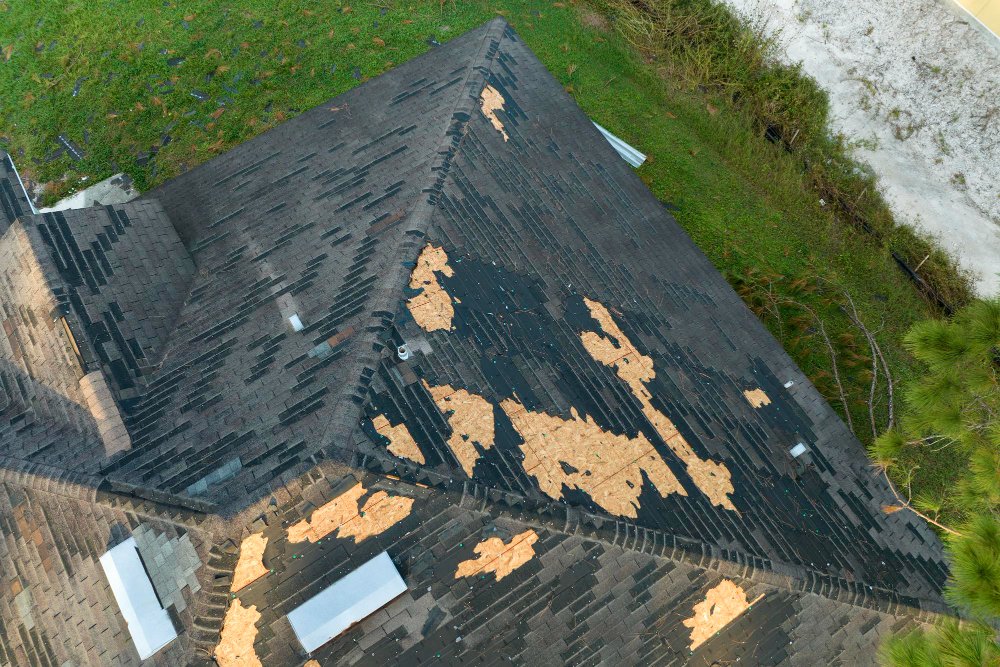
Quick Summary
Knowing how to check for roof damage after a storm helps property owners identify early warning signs before small issues begin affecting the structure underneath. From missing shingles and gutter damage to attic moisture and interior staining, storm-related roofing problems often appear in several ways. Because Montana weather regularly brings hail, wind, and heavy seasonal conditions, inspecting both residential and commercial roofing systems promptly helps property owners respond quickly when repairs become necessary.
Storms move through Bozeman and surrounding parts of Gallatin County with little warning, often bringing strong winds, hail, heavy rain, and sudden temperature shifts that can leave roofing systems exposed to damage. While some signs appear immediately, other problems remain hidden for days or even weeks before becoming noticeable inside the property. Anything you cannot see from the ground is worth a second look by our roofers in Bozeman.
Understanding how to check for roof damage after a storm helps property owners spot early warning signs before minor issues begin affecting the structure underneath. A careful inspection from the ground, along with attention to subtle interior changes, often reveals whether further evaluation is necessary.
Both homes and business properties across Montana face repeated weather exposure throughout the year, which means recognizing damage early plays an important role in protecting long-term roof performance.
Visible Damage Around the Exterior
The first step after severe weather passes involves checking the exterior of the property without climbing onto the roof. Wet roofing materials, loose shingles, and unstable surfaces create unnecessary safety risks immediately after storms.
Walk around the property slowly and look carefully at visible changes that were not present before the weather event.
Pay close attention to:
debris scattered around the yard
visible materials near downspouts
bent metal components
unusual changes along roof edges
loose siding near the roofline
A simple perimeter inspection often reveals early damage without requiring direct roof access.
Missing or Shifted Shingles
High winds frequently affect shingles first because strong gusts can loosen their adhesive seal or displace sections entirely.
One of the easiest ways to identify damage involves looking for dark or uneven sections across the roof. Areas where shingles have shifted or detached often stand out because the underlying roofing layer becomes partially exposed.
You may also notice roofing fragments scattered around the property.
For homeowners wondering, ‘How do I know if my roof has storm damage? Missing shingles often become one of the first visible warning signs worth investigating further.
Granule Buildup in Gutters
Asphalt shingles contain a layer of protective granules that help shield residential roofing materials from constant sun exposure and weather-related wear.
After severe weather, inspect gutters and downspouts closely. If you notice an unusual amount of dark, sand-like debris collecting near drainage areas, the storm may have loosened protective granules from the shingle surface.
Granule loss does not always indicate immediate roof failure, but it often suggests that weather impact has affected the roofing material more aggressively than normal aging alone.
Dents on Metal Components
Hail and airborne debris frequently leave visible marks on exterior metal surfaces before damage becomes obvious elsewhere.
Walk around the structure and inspect areas such as:
gutters
vent pipes
flashing around chimneys
roof vents
downspouts
exterior metal trim
Dents and impact marks often reveal how intensely hail affected the property during the storm.
Because Montana weather regularly produces fast-moving hail systems, these exterior indicators often help determine whether a deeper inspection makes sense.
Ceiling Discoloration
Roof damage does not always become visible from the outside first. In many cases, interior water intrusion reveals the problem earlier.
Check ceilings on upper floors carefully and look for:
yellow or brown water stains
bubbling paint
peeling drywall texture
damp patches near corners
discoloration spreading outward over time
Moisture entering through damaged roofing materials often travels slowly before becoming noticeable indoors.
Small stains can sometimes point toward larger exterior problems developing overhead.
Moisture Changes in the Attic
The attic often reveals hidden roofing problems before leaks reach finished living spaces.
Using a flashlight, inspect the underside of the roof decking and look for signs such as:
damp insulation
visible condensation
dark staining on wood surfaces
musty odors
mold development near framing
Sunlight entering through small openings may also suggest punctures or gaps created during severe weather.
When people ask how to tell if your roof has storm damage, attic conditions frequently reveal issues that exterior inspections miss entirely.
Raised or Separated Flashing
Flashing refers to the thin metal sections installed around vulnerable roof areas such as chimneys, skylights, and vent pipes.
Storm movement can loosen flashing sections, creating small openings where water begins to enter the structure gradually.
Look carefully for:
raised edges
visible separation
bent flashing corners
loose caulking around roof penetrations
Even minor movement around flashing can create pathways for moisture intrusion during later rainfall.
Changes in Gutter Alignment
Gutters play an important role in directing water away from the structure, but storms often shift or damage gutter systems during strong wind events.
Look for:
sections pulling away from fascia boards
sagging corners
bent brackets
detached downspouts
water spilling unevenly after rainfall
Even small alignment issues can affect long-term drainage performance around the property.
What to Check for Commercial Roofing?
Storm damage affects business properties differently from residential structures. Flat or low-slope commercial roofing systems often collect standing water after heavy rain, making damage harder to spot immediately.
Property owners should pay attention to:
pooling water after rainfall
punctures caused by debris impact
drainage areas collecting debris
loose roof membrane sections
interior ceiling stains inside office spaces
Commercial roofing inspections often require careful evaluation because damage patterns differ significantly from standard residential systems.
Document Everything Before Taking Next Steps
If storm damage becomes visible, document all findings carefully.
Helpful documentation includes:
photos of damaged areas
close-up images of dents or missing shingles
interior water stains
notes about the storm date
records of temporary protective measures
Documentation often becomes especially helpful before beginning conversations involving storm damage repair or property insurance discussions.
Your Local Team When Storm Damage Needs Attention
After severe weather moves through Montana, our team at Jolly Giant Roofing LLC helps property owners inspect commercial roofing systems carefully and understand what steps make sense next. From detailed inspections to storm-related repairs and insurance claim assistance, we approach every property the same way we would our own.
Reach out today and get a free quote from Jolly Giant Roofing.
FAQs
-
A ground-level inspection can begin once weather conditions are stable and debris around the property can be checked safely. Roof surfaces should never be walked on immediately after severe weather.
-
Yes. Some storm-related damage becomes noticeable later, especially when moisture gradually enters small openings and eventually creates interior staining or attic moisture.
-
Yes. Hail can weaken shingles, damage protective granules, and dent roofing components without immediately creating noticeable interior leaks.