
How Much Does Metal Roofing Installation Cost In Gallatin Gateway, MT?
Quick Summary
Understanding the cost for metal roof installation begins with evaluating the factors affecting each roofing project individually. Roof size, structural complexity, material selection, roof pitch, snow management systems, and Montana weather all influence installation planning. Properties across Gallatin Gateway often face environmental conditions that require thoughtful roofing decisions based on long-term exposure to snow, wind, and freezing temperatures. Reviewing the full roofing structure carefully helps homeowners and businesses better understand project scope before beginning a metal roofing installation.
Understanding the cost for metal roof installation often becomes an important part of planning when property owners begin considering long-term roofing upgrades. In communities like Gallatin Gateway, roofing decisions often require extra thought because Montana weather regularly exposes roofing systems to snow accumulation, freezing temperatures, seasonal wind, and sudden weather shifts.
Because metal roofing performs differently from traditional roofing materials, installation costs can vary depending on the structure, material selection, and installation requirements. Understanding the factors behind pricing helps property owners make better decisions before beginning a roofing project.
Roof Size Plays a Major Role in Installation Costs
The overall size of the roof is one of the first factors affecting project scope. Larger roof surfaces naturally require more materials, longer installation timelines, and greater labor involvement.
However, square footage rarely tells the full story.
Many homes throughout Gallatin Gateway feature architectural designs with multiple roof sections, varying elevations, and extended rooflines that often make installation more complex compared to standard layouts.
When homeowners begin asking how much for metal roof installation, roof size typically becomes the starting point for evaluating project requirements.
Different Metal Roofing Systems Affect Pricing
Metal roofing is available in several styles, and each system requires a different installation approach.
Two commonly used systems include:
corrugated metal panels with exposed fasteners
standing seam metal roofing with concealed fasteners
Corrugated panels use visible fasteners attached directly through the panel surface, while standing seam systems connect through hidden locking seams that create a cleaner finished appearance.
Because installation methods differ, material selection often changes the overall project scope significantly.
Montana Weather Influences Roofing Material Decisions
Gallatin Gateway properties regularly face weather patterns that affect roofing performance throughout the year.
Property owners often plan roofing upgrades around conditions such as:
heavy snow accumulation during winter
freeze-thaw temperature cycles
seasonal hail exposure
strong wind moving through Gallatin County
moisture buildup from melting snow near roof edges
These weather patterns often influence why property owners begin considering metal roofing systems in the first place.
Roofing decisions in Montana frequently involve balancing material performance with long-term weather exposure.
Roof Pitch and Structural Complexity Affect Labor
Roof pitch refers to how steep the roof surface is, and steeper roofs often require additional labor planning during installation.
Certain design features can make roofing work more involved, including:
steep roof slopes
multiple valleys where roof sections meet
dormers extending through the roofline
chimney flashing connections
multi-level roof structures
Complex roof designs often change installation timelines because crews must work carefully around structural details throughout the project.
Snow Management Systems Can Affect Project Scope
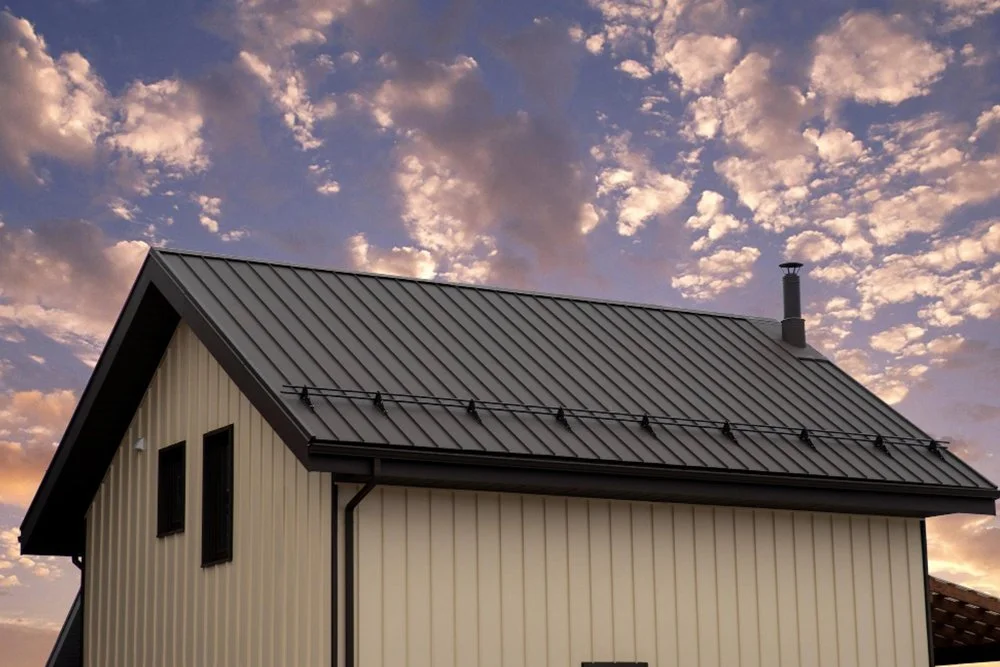
Metal roofing surfaces allow snow to slide more easily compared to traditional shingles.
Because of this, some roofing systems include additional snow management components designed to control snow movement during winter.
These systems may include:
snow guards mounted along roof edges
retention bars that slow sliding snow
drainage planning around melting snow runoff
In areas exposed to heavy winter weather, these additions can become part of project planning depending on the structure itself.
Residential and Commercial Roofing Projects Differ
The installation process can vary significantly depending on the type of structure being evaluated.
When comparing residential roofing vs. commercial roofing, several differences often affect project planning.
Residential properties commonly use sloped roofing systems designed for shingles or metal panels.
Commercial buildings often feature flat or low-slope roof structures built with entirely different drainage systems and waterproofing methods.
Because of these differences, commercial roofing installations typically follow a different evaluation process than residential properties.
Installation Planning Begins with Property Evaluation
Every roof structure presents unique conditions that affect labor, material selection, and installation planning.
A home in Gallatin Gateway may require additional planning because of steep slopes exposed to heavy snowfall, while a nearby business may need an entirely different roofing approach based on drainage design and structural layout.
Because every roofing system differs, understanding the full condition of the structure usually creates a clearer picture of project scope before installation begins.
Helping You Plan with Confidence
When property owners begin planning a roofing project, our team at Jolly Giant Roofing LLC works closely with homeowners and businesses across Bozeman, Gallatin County, and surrounding Montana communities to evaluate roofing conditions carefully and discuss options clearly. We approach every property with honesty, careful workmanship, and the same level of care we would bring to our own home. The same crews work as roofers in Bozeman, MT and in the towns nearby.
Reach out today and get a free quote from Jolly Giant Roofing.
FAQs
-
Several factors often influence pricing, including roof size, roof pitch, material selection, structural complexity, and any additional components required during installation.
-
Montana weather often exposes roofing systems to snow, freezing temperatures, wind, and seasonal storms, which frequently influence material selection during roof replacement planning.
-
The overall project scope often differs because metal roofing systems use different materials and installation methods compared to traditional asphalt shingle systems.