

How To Make A Successful Storm Roof Claim In Kalispell, MT
Quick Summary
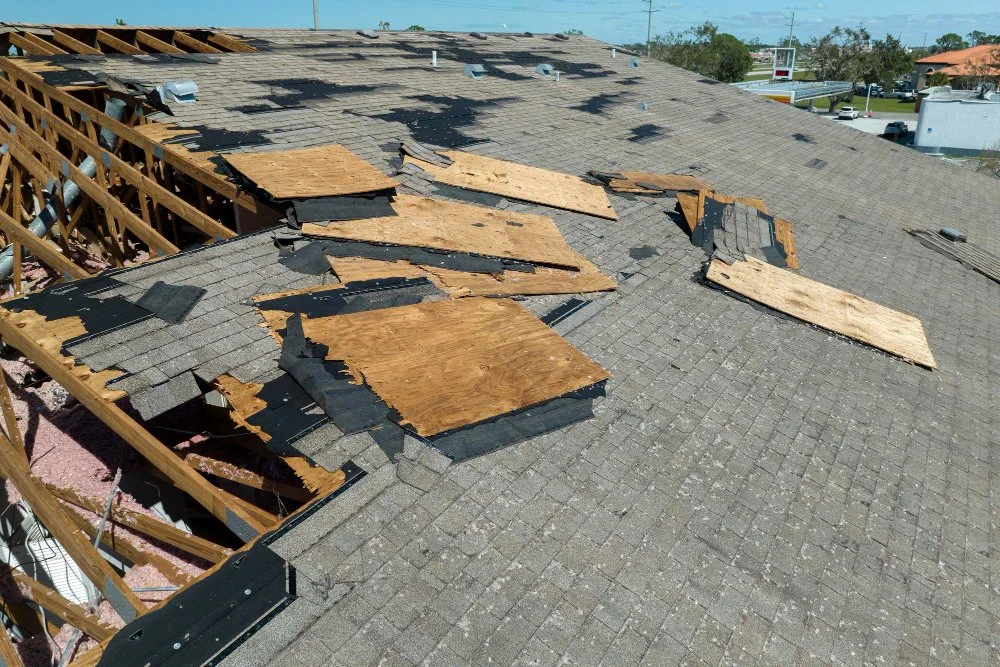
Understanding how to claim storm damage to a roof begins with documenting visible damage, taking temporary steps to reduce additional exposure, scheduling a professional inspection, and organizing information before filing an insurance claim. Montana weather often brings hail, strong winds, and heavy precipitation that can affect both residential and commercial roofing systems. Acting early, keeping detailed records, and understanding each stage of the claims process helps property owners move forward with greater clarity after severe weather affects their property.
Severe weather often moves quickly across parts of Montana, leaving property owners dealing with roof damage that may require immediate attention. Strong winds, hail, heavy rain, and falling debris can affect roofing systems in ways that are not always visible right away, which makes understanding how to claim storm damage to a roof an important part of responding after a storm.
Taking the right steps early can make the process easier to manage. From documenting visible damage to preparing for insurance inspections, having a clear plan helps property owners move forward with fewer complications after unexpected weather events.
Start By Documenting Visible Storm Damage
Before contacting an insurance carrier, begin by gathering clear records of any visible damage around the property. This process creates a timeline showing what changed after the storm passed through the area.
Start by safely inspecting the property from the ground and documenting issues such as:
missing shingles
dented gutters or downspouts
fallen tree branches near the roofline
damaged flashing around vents or chimneys
visible debris scattered around the property
Take wide photos showing the full roof area along with close-up images highlighting specific damage points.
Take Immediate Steps to Limit Additional Damage
Storm damage sometimes creates openings that allow moisture to enter the structure before repairs begin.
If water begins entering the property, temporary action may help reduce additional exposure while waiting for a professional inspection.
This may include:
placing a temporary tarp over exposed areas
moving valuables away from leak-prone spaces
collecting water from active leaks indoors
documenting any temporary protective work completed afterward
Keep records of anything purchased or used during temporary repairs, especially if storm-related damage affects multiple areas of the property.
Schedule a Professional Roof Inspection Early
Many forms of storm damage are difficult to identify without a closer inspection. A roof may look normal from the ground while hidden damage develops underneath lifted shingles or impacted roofing materials.
Scheduling an inspection early helps create a clearer understanding of what the storm affected.
For property owners researching roofing Kalispell services after severe weather, working with an established local contractor often helps simplify the next steps because local professionals understand how Montana weather patterns affect roofing systems throughout the year.
This applies equally to homes and larger structures using specialized commercial roofing systems.
File the Insurance Claim Promptly
Once visible storm damage has been documented, contact your insurance carrier and begin the claims process as soon as practical.
When reporting the damage, keep track of:
the reported storm date
claim reference number
type of weather event involved
conversations with the insurance representative
Staying organized during this stage helps keep communication clear throughout the claim process.
Prepare for the Insurance Adjuster Inspection
After the claim is filed, the insurance company typically schedules an adjuster visit to inspect the property.
This inspection focuses on reviewing visible storm-related damage and documenting affected areas before repair discussions move forward.
Before the visit, organize:
photos taken immediately after the storm
notes about interior leaks or visible damage
documentation showing temporary repairs completed
any inspection findings gathered beforehand
Because storm damage sometimes affects areas that are difficult to spot without close inspection, having detailed documentation available often helps create a clearer picture of the damage.
Review Repair Estimates Carefully
After inspections are completed, property owners usually receive documentation outlining repair estimates connected to the insurance process.
Review the paperwork carefully and pay attention to:
listed repair areas
materials referenced in the estimate
deductible information
sections describing storm-related damage
Understanding the repair scope helps property owners move forward with greater clarity before scheduling storm damage repair work.
Why Fast Action Matters After Montana Storms
Properties throughout Montana often face repeated weather exposure after the initial storm passes. Roof damage that begins with a few missing shingles can gradually allow moisture to move deeper into the structure over time.
This affects both residential roofing systems and commercial properties exposed to ongoing rain, snow, and temperature swings.
A homeowner in the Flathead region may notice only minor exterior damage immediately after a storm, but days later, moisture stains begin appearing indoors.
When You Need Guidance After the Storm Passes
After severe weather affects your property, our team at Jolly Giant Roofing LLC works with homeowners and businesses to inspect roofing systems, assess visible storm-related damage, and help navigate the next steps with clarity. We approach every project the same way we would approach our own property, with careful attention, honest communication, and dependable workmanship.
Reach out today and get a free quote from Jolly Giant Roofing.
FAQs
-
It helps to document visible damage first and contact the insurance carrier once you have photos, notes, and a clear understanding of what areas appear affected.
-
Yes. Some storm-related roof damage becomes noticeable later, especially when moisture gradually enters small openings and begins affecting ceilings or attic spaces.
-
Yes. Commercial roofing systems can experience storm-related damage such as punctures, drainage issues, or water intrusion that may require inspection and documentation.