

How to File a Roof Insurance Claim in Montana
Quick Summary
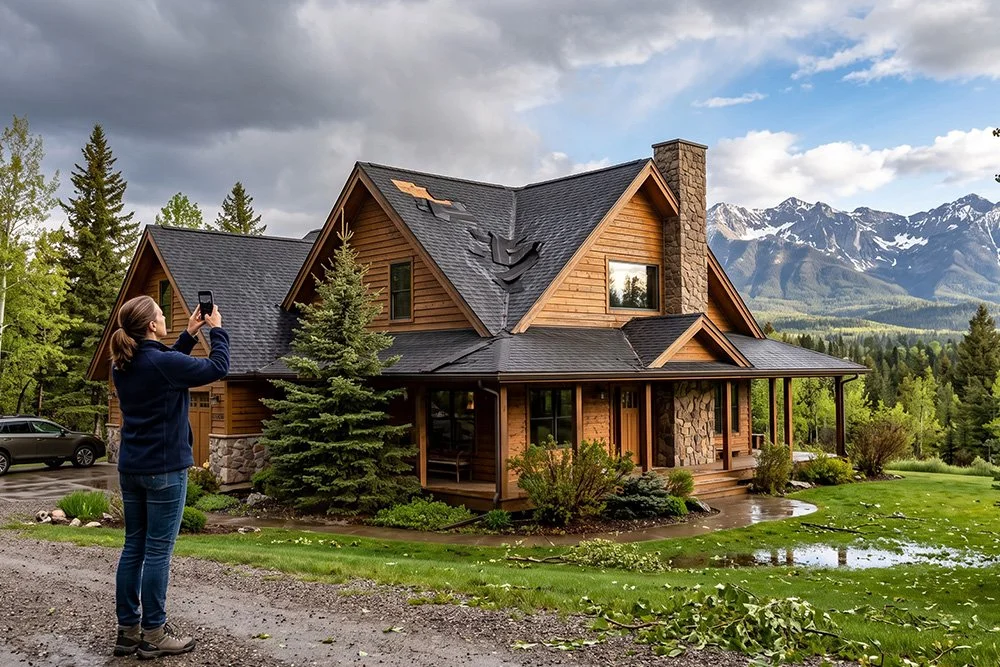
After a Montana storm, document visible damage, protect your property from additional harm, schedule a professional roof inspection, and contact your insurance company promptly. Clear photographs, inspection findings, receipts, and written records can make the claims process easier to follow.
Your insurance company determines coverage, but a local roofing contractor can help identify damage, explain repair needs, and provide documentation. Review your policy carefully because deductibles, exclusions, deadlines, and coverage limits vary.
Knowing how to file a roof insurance claim can make a stressful situation much easier after a severe Montana storm. Hail, high winds, heavy snow, and falling tree branches can all damage your roof, sometimes in ways that aren't immediately visible from the ground. Acting quickly and following the right steps can help protect your home while giving your insurance company the information they need to evaluate your claim.
At Jolly Giant Roofing, we've helped homeowners throughout Bozeman and Gallatin County navigate the roofing and insurance process after storms. While every insurance policy is different, understanding the claims process can help you avoid unnecessary delays and make informed decisions about your roof.
Does Homeowners Insurance Cover Roof Damage?
Most homeowners insurance policies cover sudden, accidental damage caused by covered events such as:
Windstorms
Hailstorms
Falling trees or branches
Lightning
Fire
Certain types of snow or ice damage
However, insurance generally does not cover damage caused by normal wear and tear, poor maintenance, or roofs that have simply reached the end of their expected lifespan.
Before filing a claim, it's a good idea to review your policy or speak with your insurance provider so you understand your coverage, deductible, and any exclusions that may apply.
Step 1: Put Safety First
After a storm, your first priority should always be safety.
If you notice structural damage, exposed electrical wires, or a tree resting on your roof, stay away from the affected area and contact the appropriate emergency services if necessary.
Avoid climbing onto your roof yourself. Storm damage may weaken roofing materials, making the surface slippery or unstable. A professional inspection is a much safer way to determine the extent of the damage.
Step 2: Document the Damage
Before making temporary repairs or cleaning up debris, document everything you safely can.
Take clear photos of:
Missing shingles
Dented metal roofing
Damaged gutters
Fallen tree limbs
Interior water stains
Ceiling leaks
Debris around your property
If you have photographs of your roof from before the storm, keep those as well. They may help demonstrate that the damage occurred during the recent weather event.
Good documentation creates a stronger record for your insurance company and helps support your claim.
Step 3: Schedule a Professional Roof Inspection
Some storm damage is easy to spot, while other issues are much more difficult to identify without experience.
For example, hail may loosen protective granules from shingles without creating obvious holes. Strong winds can lift shingles enough to break their seal even if they appear to have settled back into place afterward.
A professional roofing inspection provides a thorough assessment of your roof's condition and helps determine whether repairs or replacement are necessary.
At Jolly Giant Roofing, our storm damage repair team carefully documents visible damage and explains our findings in clear, straightforward language. We believe homeowners should fully understand the condition of their roof before making any decisions.
Step 4: Contact Your Insurance Company
Once you've documented the damage and obtained a professional inspection, contact your insurance company to begin the claims process.
Be prepared to provide:
Your policy number
The date of the storm
A description of the damage
Photos of the affected areas
Inspection documentation if available
Your insurance company will typically assign a claim number and explain the next steps.
It's helpful to ask questions about your deductible, expected timeline, and whether an adjuster will inspect the property.
Step 5: Meet With the Insurance Adjuster
In many cases, your insurance company will schedule an inspection with an adjuster.
The adjuster's job is to evaluate the reported damage and determine what is covered under your policy.
Many homeowners choose to have their roofing contractor present during this inspection. Doing so allows any questions about the roof's condition to be addressed immediately and helps ensure all visible storm damage is identified.
Our team regularly meets with insurance adjusters and provides detailed information about the damage we've observed. We work professionally throughout the process while respecting the insurance company's role in evaluating the claim.
Step 6: Review the Insurance Estimate
Once the inspection is complete, your insurance company will prepare an estimate outlining the approved repairs or replacement.
Review this document carefully.
If something appears to be missing or if additional damage is discovered during the roofing project, supplemental documentation may sometimes be necessary.
Your roofing contractor can explain the estimate and answer any questions you have before work begins.
Step 7: Complete Temporary Repairs if Needed
If your roof has been damaged enough to allow water into your home, your insurance policy may require you to take reasonable steps to prevent additional damage.
Temporary measures might include:
Placing a tarp over exposed areas
Covering broken skylights
Removing loose debris that could create additional hazards
Catching interior leaks with buckets or containers
Keep all receipts for emergency repairs or materials. Depending on your policy, these expenses may be reimbursable as part of your claim.
Remember that temporary repairs are not a permanent solution. They simply help protect your home until the approved roofing work can be completed.
Common Mistakes to Avoid
Filing an insurance claim doesn't have to be complicated, but a few common mistakes can slow the process or create unnecessary frustration.
Waiting Too Long
Many insurance policies require homeowners to report storm damage within a certain timeframe. Delaying your claim may make it more difficult to show that the damage resulted from a specific weather event.
If your neighborhood experiences a significant hailstorm or windstorm, it's a good idea to schedule a professional roof inspection even if your roof appears undamaged from the ground.
Throwing Away Evidence
Don't discard damaged roofing materials or remove storm debris until you've documented the damage with photographs.
The more information you can provide, the easier it is for your insurance company to evaluate your claim accurately.
Attempting Major Repairs Yourself
While temporary measures are appropriate to prevent additional damage, major roof repairs should be left to experienced professionals.
Walking on a damaged roof can be dangerous and may unintentionally make the damage worse.
Choosing a Contractor Too Quickly
Unfortunately, severe storms sometimes attract out-of-town contractors who travel from community to community following major weather events.
Working with a trusted local roofing company means you'll have a contractor who understands Montana's weather conditions, is familiar with local building requirements, and will still be available if you need future service or warranty support.
Why Homeowners Trust Jolly Giant Roofing
Filing an insurance claim can feel overwhelming, especially when you're already dealing with storm damage and concerns about protecting your home.
Our goal is to make the process as straightforward as possible. From your initial roof inspection to communicating with your insurance adjuster and completing the final repairs, we're committed to keeping you informed every step of the way.
As a family-owned company serving Bozeman and Gallatin County, we take pride in providing honest recommendations, quality craftsmanship, and excellent customer service. We never pressure homeowners into unnecessary work. Instead, we focus on finding the right solution for your roof and your budget. Our Bozeman roofers can document the damage and walk you through the claim.
That's what we mean when we say we're Big on Quality. Jolly on Service.
Schedule Your Free Storm Damage Inspection
Knowing how to file a roof insurance claim is only part of the process. Having an experienced local roofing team on your side can make everything much easier.
If your home has recently been affected by hail, strong winds, heavy snow, or another severe weather event, contact Jolly Giant Roofing today to schedule your free roof inspection. We'll assess your roof, explain your options clearly, and help you move forward with confidence so your home is protected for years to come.
Frequently Asked Questions
-
Report suspected storm damage as soon as reasonably possible. Policies may include deadlines, and waiting too long can make it harder to connect the damage to a specific weather event.
-
You can contact either one first. Many homeowners schedule a professional inspection before filing so they have a clearer understanding of the damage and useful documentation for the claim.
-
You should take reasonable steps to prevent additional damage, such as placing a temporary tarp over an exposed area. Photograph the damage first when it is safe to do so, and keep receipts for materials or emergency services.