
How Residential And Commercial Roofs Differ
A residential roof protects a private home, while a commercial roof covers larger buildings such as offices, retail stores, and industrial facilities. These structural differences influence everything from materials to installation techniques. Learning about the differences in commercial vs. residential roofing enables property owners to make informed decisions about installation, repairs, and long-term maintenance. In this post, we’ll help homeowners and business owners choose the right roofing solutions that match their property’s structure and long-term goals.
Structural Design Differences Between Residential and Commercial Roofs
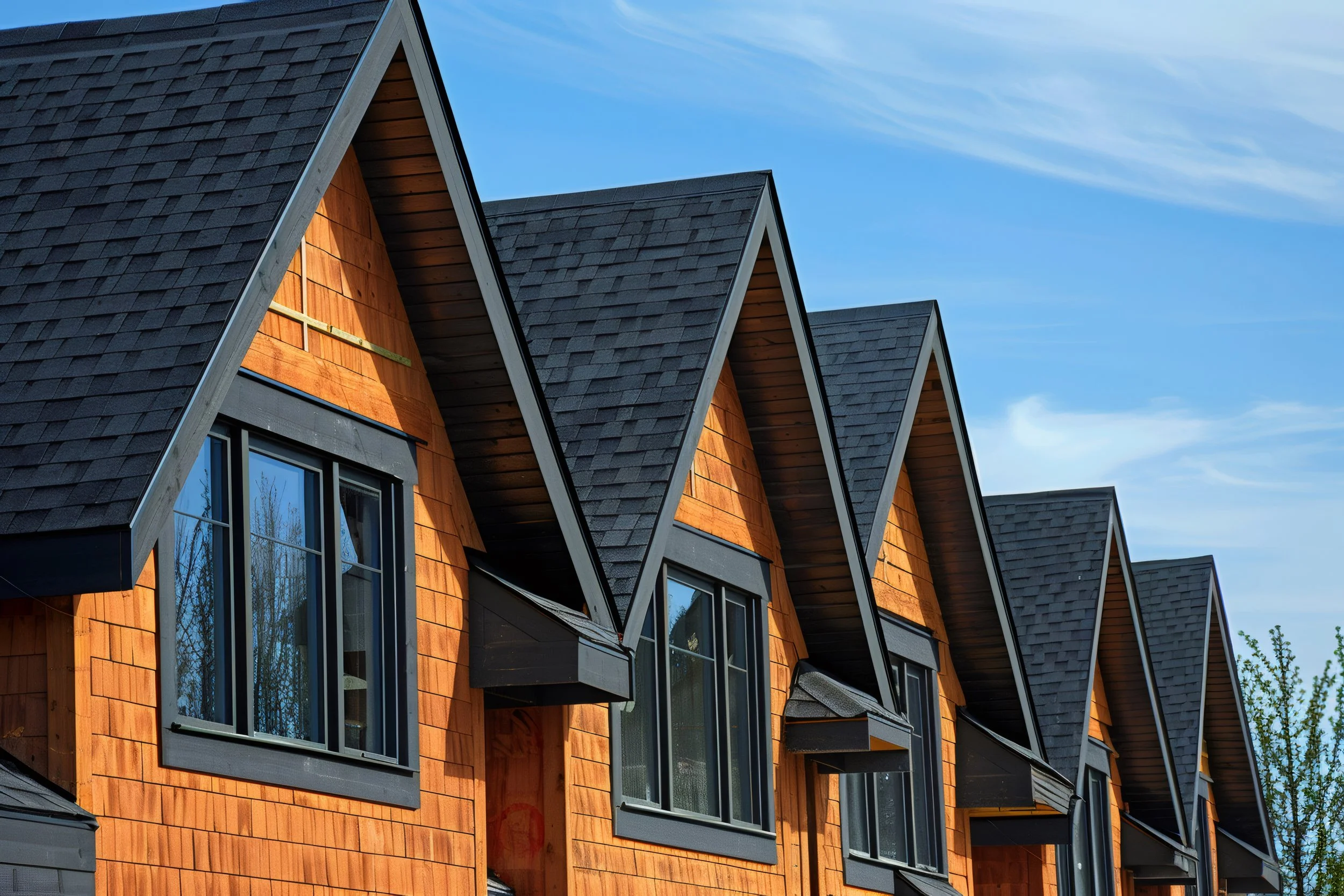
One of the most noticeable differences between residential and commercial roofing is their shape and structural design. Residential roofs typically have steep slopes, which help rainwater, debris, and snow slide off more easily. This design improves drainage and reduces the risk of water pooling on the surface.
Commercial roofs, on the other hand, are usually flat or have a very low slope. This design makes it easier to install large systems such as heating and cooling equipment. Flat roofs also allow easier access for maintenance crews. However, they require advanced drainage systems to prevent standing water, which can lead to leaks or structural damage over time.
The structural purpose of each roof explains much of the differences between commercial and residential construction. Residential buildings prioritize aesthetic appeal and weather protection, while commercial structures focus on functionality and equipment support.
Roofing Material Differences and Performance Expectations
The materials used in residential and commercial roofing vary based on structural needs and durability requirements. Residential roofs commonly use asphalt shingles, metal panels, tile, or wood shakes. Asphalt shingles remain the most popular option due to their affordability, durability, and design flexibility.
Commercial roofs use different materials designed to cover large surface areas efficiently. These materials often include membrane systems such as TPO, EPDM, or modified bitumen. These systems create a continuous surface that improves waterproofing and durability across expansive flat areas.
Material selection plays a major role in overall performance. Residential roofing materials focus on appearance and weather resistance, while commercial roofing systems prioritize durability, waterproofing, and energy efficiency across larger structures.
Installation Complexity and Timeline Differences
Installation methods vary significantly between residential and commercial roofing systems. Residential roofs are smaller in size and use familiar materials such as shingles, which allows installation to be completed relatively quickly. In many cases, a residential roof replacement can be completed within a few days depending on weather conditions and roof size.
Commercial roofs require more complex installation due to their larger size and specialized materials. Installation often involves multiple layers of insulation, waterproof membranes, and protective coatings. The process may take several weeks depending on the building size and roofing system used.
Our team offers expert commercial roofing services, helping property owners complete their roofing projects efficiently while maintaining high quality standards.
Maintenance and Repair Requirements for Each Roof Type
Maintenance needs differ greatly between residential and commercial roofs. Residential roofs typically require periodic inspections, especially after storms or seasonal changes. Repairs often involve replacing damaged shingles or sealing minor leaks.
Commercial roofs require more frequent inspections due to their flat design and exposure to environmental stress. Water pooling, debris accumulation, and equipment installation can increase wear over time. Routine maintenance helps extend the lifespan of commercial roofing systems and prevent costly structural damage.
Cost Differences Between Residential and Commercial Roofing
Cost differences between residential and commercial roofing are influenced by size, materials, and installation complexity. Residential roofing projects generally cost less due to smaller surface areas and simpler installation methods. Asphalt shingles, which are commonly used on homes, offer a cost effective solution with strong durability.
Commercial roofing projects typically require greater investment due to larger size and advanced materials. Flat roofing systems require specialized installation techniques and additional insulation layers, which increases overall project cost. However, commercial roofing systems are designed to last many years when properly installed and maintained.
Lifespan and Durability Considerations
Lifespan expectations vary depending on roofing materials and environmental exposure. Residential roofs using asphalt shingles typically last between 20 and 30 years. Metal and tile residential roofs can last significantly longer when maintained properly.
Commercial roofing systems often have comparable or longer lifespans depending on the materials used. Membrane roofing systems can last 25 years or longer with proper maintenance. However, their flat design makes routine inspections important for maintaining performance.
Durability depends on installation quality, material selection, and ongoing maintenance. Working with experienced roofing professionals helps maximize the lifespan of both residential and commercial roofs.
Safety and Structural Requirements
Safety standards differ between residential and commercial construction due to building size and usage. Residential roofs primarily protect families and personal property. Their structural requirements focus on weather resistance and insulation.
Commercial roofs must support additional weight from equipment such as ventilation systems and cooling units. This requires stronger structural support and specialized installation techniques. Safety requirements for commercial roofing projects are often more complex due to building size and accessibility.
These structural differences highlight the differences between commercial and residential construction, since commercial buildings require roofing systems designed for heavier loads and operational demands.
Choosing the Right Roofing Solution for Your Property
Selecting the right roofing system depends on your property type, budget, and long-term goals. Residential roofing focuses on protecting homes while enhancing curb appeal. Commercial roofing systems prioritize durability, energy efficiency, and structural performance.
Working with experienced roofing professionals helps property owners choose between commercial vs. residential roofing and select materials and installation methods that align with their specific needs. Our team helps homeowners and business owners evaluate options and choose roofing solutions designed for lasting protection.
Trust Jolly Giant Roofing for Residential and Commercial Roofing Solutions
At Jolly Giant Roofing, we bring extensive experience, skilled craftsmanship, and dependable roofing service to every project. Our team works closely with homeowners and business owners to deliver roofing solutions designed for durability, performance, and long-term protection.
We focus on quality installation, attention to detail, and reliable timelines so your roof performs as expected. Our experience working on both residential and commercial roofing projects allows us to recommend the best solutions for you.
If you are planning a roof replacement or need expert guidance, contact Jolly Giant Roofing today. Our team is ready to help you protect your home or business with superior roofing solutions.