
How Long Does A Commercial Roof Last In Montana?
Quick Summary
A commercial roof in Montana typically lasts between 15 and 40 years, depending on the roofing material, installation quality, and how well the building withstands local weather. Snow loads, hail, and freeze-thaw cycles all play a part in how a commercial roof holds up over time. Jolly Giant Roofing works with business owners across Gallatin County to assess roof condition and plan ahead for repairs or replacement.
Key Takeaways
Material matters: Different roofing systems carry different lifespans, from 15 years to 40 years or more
Montana weather adds strain: Snow, hail, and freeze-thaw cycles shorten the life of an unmaintained roof
Maintenance extends lifespan: Regular inspections catch small issues before they turn into costly repairs
Age isn't the only factor: A well-maintained older roof can outlast a neglected newer one
Professional inspections help: A trained eye spots wear that isn't visible from the ground
Business owners across Montana rely on a commercial roof to protect inventory, equipment, and daily operations, so lifespan comes up often. Snow loads stack up over the winter, and hail storms roll through with little warning. Wind and freeze-thaw cycles work at the roof surface year after year, even when nothing looks wrong from street level.
These conditions shape how long a commercial roof lasts, and the answer isn't the same for every building. A metal roof on a well-ventilated structure ages differently than a flat membrane roof exposed to standing water after a storm. This guide covers what drives lifespan, what speeds up wear, and what Montana property owners should watch for as their roof ages.
How Long Does a Commercial Roof Last in Montana?
The honest answer depends on the roofing material and how the building has been maintained over the years. A few general ranges give a starting point, though every roof ages at its own pace based on exposure and upkeep.
Roofing Type
TPO Membrane
Typical Lifespan
15 to 20 years
Best For
Flat commercial roofs needing energy efficiency
Roofing Type
EPDM Rubber
Typical Lifespan
20 to 25 years
Best For
Low slope roofs in variable climates
Roofing Type
Metal Roofing
Typical Lifespan
30 to 40 years
Best For
Buildings facing heavy snow and wind
Roofing Type
Modified Bitumen
Typical Lifespan
15 to 20 years
Best For
Roofs needing extra puncture resistance
Property owners deciding between a commercial roofing project often start with this kind of comparison before deciding what fits their building and budget.
What Factors Affect Commercial Roof Lifespan?
A roof's lifespan depends on more than the material alone. Installation quality plays a major role, since a roof installed correctly the first time avoids many early problems that shorten its life. Roof size and accessibility affect how thoroughly a crew can inspect and maintain it over the years.
Ventilation matters too. A roof that traps heat and moisture underneath ages faster than one built with proper airflow. Flashing around vents, edges, and rooftop units needs regular attention, since a small gap there often leads to bigger leaks later. Drainage systems also affect how much standing water a roof deals with after storms.
Building owners exploring a commercial roof replacement or repair often find that addressing these factors early adds years to the system already in place.
Montana Specific Considerations for Commercial Roofs
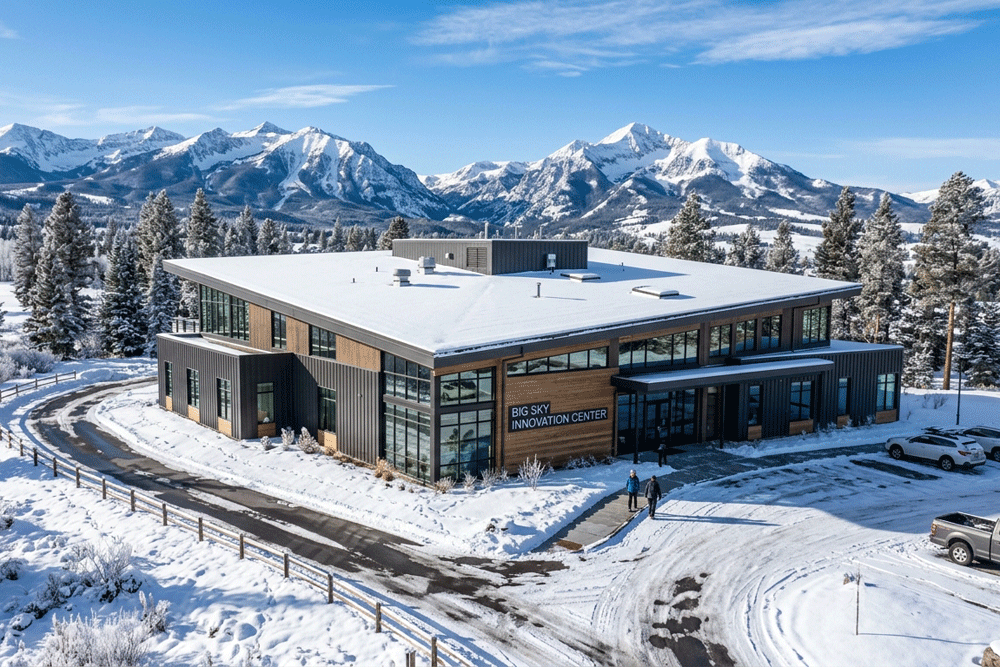
Montana's climate puts pressure on commercial roofs in ways that milder regions rarely see. Heavy snow loads test the structural capacity of flat and low-slope roofs, particularly in areas like Big Sky and Big Sky Canyon Village where snowfall accumulates quickly. Ice dams form when melting snow refreezes near the roof edge, pushing water back under the roofing membrane.
Hail storms across Bozeman, Belgrade, and Gallatin Gateway leave dents and punctures that aren't always visible from ground level. High winds lift edges and seams if flashing wasn't installed with enough care.
UV exposure at higher elevations breaks down roofing materials faster than at lower altitudes, which shortens the expected lifespan of some membrane systems. Insurance claims after storm events are common in this region, so documenting roof condition regularly makes a difference when damage does occur.
Common Problems Commercial Property Owners Face
Ponding water: Flat roofs collect standing water after storms, which speeds up membrane wear
Membrane punctures: Hail and debris create small tears that grow into leaks over time
Flashing failures: Loose or aged flashing around vents and edges lets water into the building
Poor drainage: Clogged gutters or drains send water back onto the roof surface instead of away from it
Insulation damage: Trapped moisture beneath the roofing system reduces energy efficiency and accelerates decay
Why Property Owners Choose Jolly Giant Roofing
Jolly Giant Roofing brings a family-owned approach to commercial roofing across Gallatin County, and our familiarity with Montana weather shapes how we assess every building. We handle residential and commercial roofing, storm damage repair, roof inspections, and insurance claim assistance with the same attention to detail on every job.
Our estimates are honest, our crews show up on time, and we keep job sites clean throughout the project. Property owners who work with us get straightforward answers about their roof's condition and realistic timelines for repair or replacement.
Frequently Asked Questions
-
Cost varies based on roof size, material, and the condition of the existing structure. Labor and accessibility also affect the final cost. A roof with multiple levels or rooftop equipment takes more time to work around. A professional inspection gives a more accurate estimate. Pricing depends heavily on what the team finds once the assessment is underway.
-
Timelines depend on roof size and weather conditions during the project. Building access and roofline complexity also factor in. Smaller flat roofs might take a few days, while larger or more complex buildings can take one to two weeks from start to finish.
-
Storm-related damage, including hail and wind, is often covered under a commercial property policy. Some policies also account for wear that develops gradually rather than from a single storm event. Coverage details vary by provider, so reviewing the policy and documenting damage promptly both matter.
-
Metal roofing generally holds up the longest, often reaching 30 to 40 years with proper maintenance. It sheds snow more efficiently than flatter materials and holds up well against wind uplift. Its resistance to snow load and wind makes it a strong fit for Montana's climate.
-
Twice a year works well for most buildings, ideally in spring and fall, since those windows catch issues left behind by winter and summer conditions. Additional inspections after major storms help catch damage before it turns into a bigger repair.
Planning Ahead for Your Commercial Roof
A commercial roof's lifespan depends on its material, its installation, and how well it stands up to Montana's weather year after year. Snow, hail, and freeze-thaw cycles all play a role, and regular maintenance goes a long way toward getting the most out of any roofing system.
Schedule a roof assessment with Jolly Giant Roofing and get a better picture of where your roofing stands.