
7 Best Roofing Materials for Homeowners [2026 Guide]
7 Best Roofing Materials for Homeowners [2026 Guide]
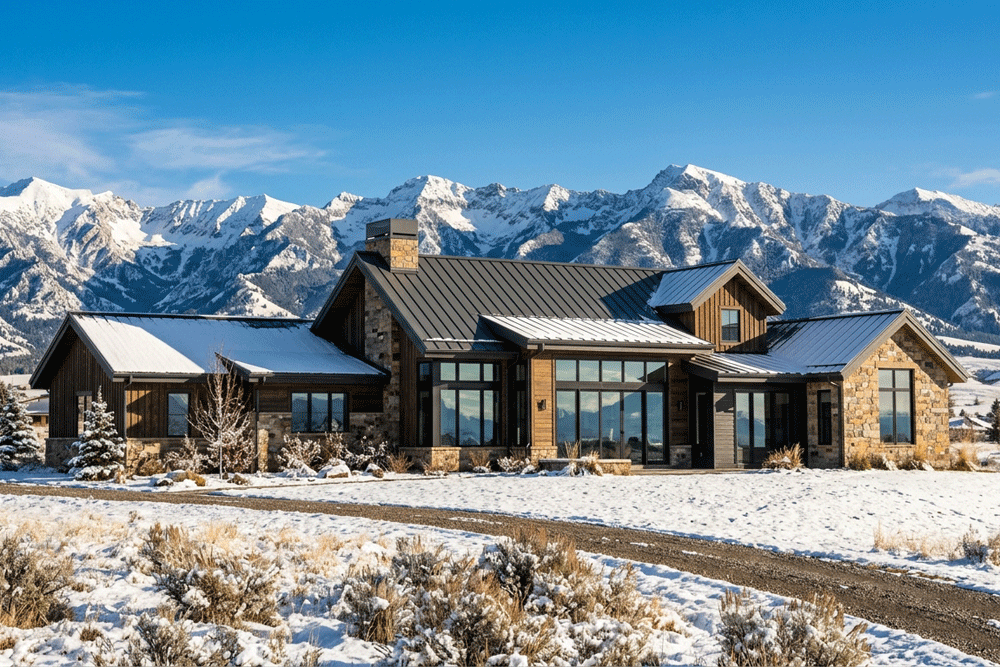
Choosing a new roof means balancing cost, lifespan, appearance, climate, and maintenance. The right material can protect a home for decades. The wrong choice may lead to higher repair costs or premature replacement.
Asphalt shingles remain the standard choice for many American homeowners. Metal, stone-coated steel, wood, tile, slate, and membrane systems each have their own strengths.
This 2026 comparison looks at seven popular residential roofing materials. It covers current cost ranges, expected lifespan, snow performance, and the homes each option suits best.
Which Roofing Material Is Most Common?
Asphalt shingles are the most common roofing material used on U.S. homes. Their popularity comes down to price, availability, straightforward installation, and a wide selection of styles.
Architectural asphalt shingles have become especially common. They are thicker than traditional 3-tab shingles and can create more depth across the roof.
Still, the most common roof material is not automatically the best choice for every property. Climate, roof pitch, structural capacity, maintenance expectations, and budget all matter.
Homeowners comparing the best-rated roofing materials should look beyond the initial price. A more expensive metal or slate roof may last much longer than an asphalt system.
Roofing Materials Cost and Lifespan Comparison
The figures below are 2026 national planning ranges for installed roofing. Actual prices vary by location, roof pitch, tear-off requirements, decking repairs, material grade, and labor rates.
Snow suitability refers to how the finished roofing system generally performs in snowy climates. The roof structure still needs to meet local load requirements.
| Material | Cost / sq. ft. | Lifespan | Snow-load suitability | Best for |
|---|---|---|---|---|
| Asphalt shingles | $3–$6 | 20–30 yrs | Good | Affordability and broad design choice |
| Metal roofing | $5–$16 | 30–80+ yrs | Excellent | Snowy climates and long-term durability |
| Stone-coated steel | $7–$13 | 40–70 yrs | Excellent | Metal strength with a traditional appearance |
| Wood shingles/shakes | $5–$15+ | 25–30+ yrs | Moderate | Rustic and natural home designs |
| Clay/concrete tile | $7–$25 | 30–100+ yrs | Moderate | Long life and distinctive architecture |
| Slate | $10–$30 | 75–100+ yrs | Good | Premium homes built for heavy roofing |
| Flat-roof membranes | $4–$12 | 15–30 yrs | Moderate | Low-slope and flat roof areas |
Asphalt Shingles
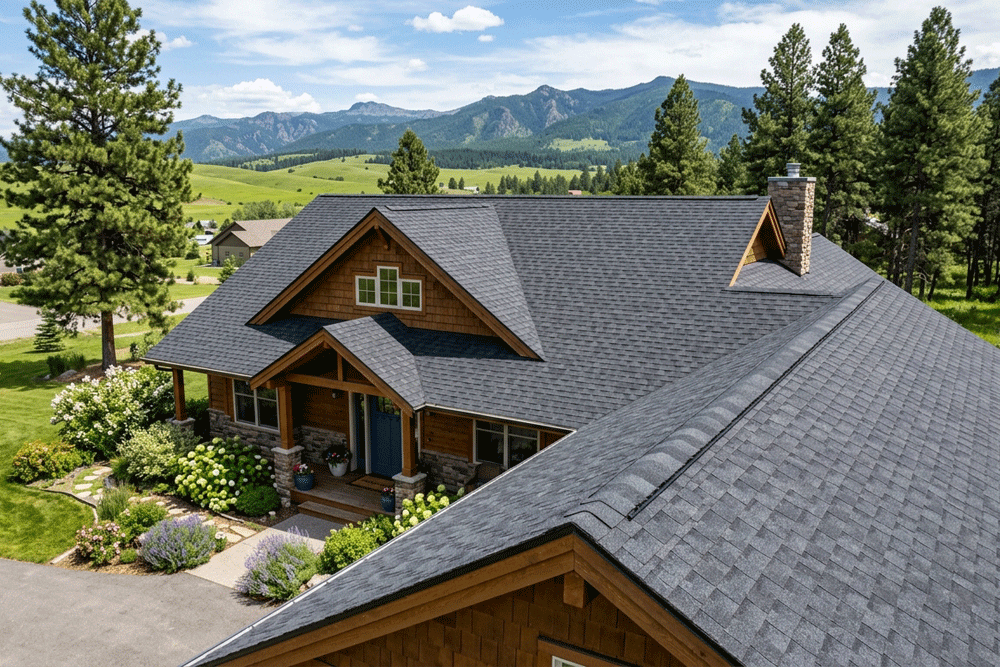
Asphalt shingles remain a practical starting point for homeowners who want a dependable roof without the higher cost of premium materials.
Most systems fall into two main categories: 3-tab shingles and architectural shingles. Architectural products are thicker and often have better wind resistance and a longer service life.
In 2026, standard asphalt roofing commonly costs about $3 to $6 per square foot installed. Premium architectural products can cost more.
Pros
- Lower upfront cost
- Large range of colors and profiles
- Familiar appearance
- Repairs are usually straightforward
- Widely available across the country
Cons
- Shorter service life than many metal, tile, or slate roofs
- Individual shingles can suffer wind or hail damage
- Freeze-thaw cycles and severe weather may shorten service life
Asphalt makes sense for homeowners who want a balance between cost, appearance, and proven residential performance.
Metal Roofing
Metal roofing has grown in popularity because it combines long service life with strong performance in demanding weather.
Residential systems include standing seam panels, exposed-fastener panels, and metal shingles. Steel and aluminum are common choices. Copper and zinc sit at the premium end of the market.
Current installed prices vary widely. Many steel systems fall within the broader $5 to $16 per square foot national range, while premium standing seam or specialty metals can cost considerably more.
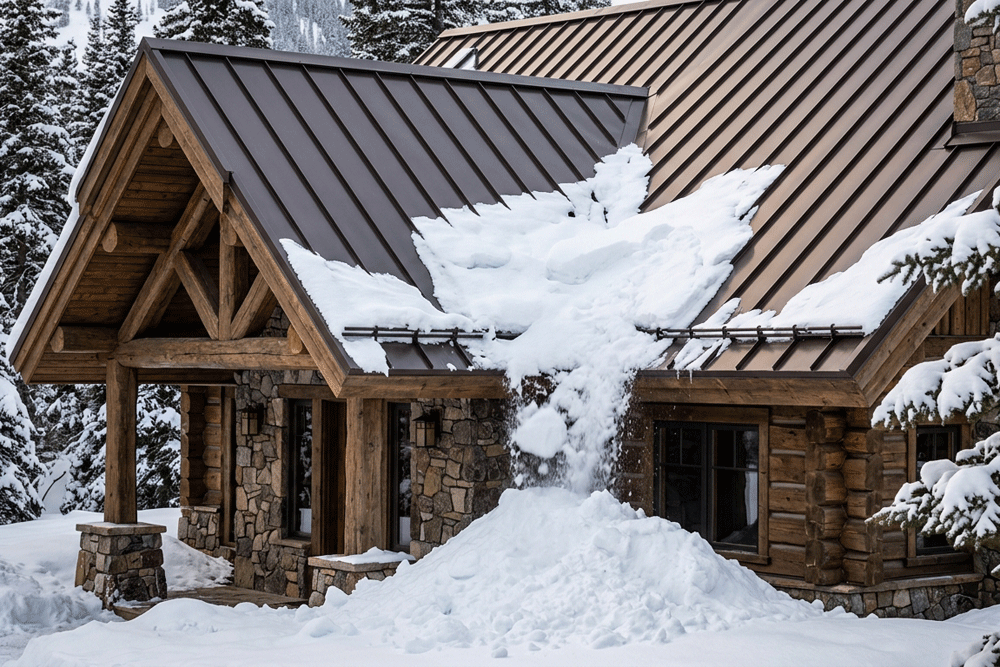
A properly selected metal roof can last several decades. Smooth metal surfaces also tend to shed snow more readily than textured roofing materials.
Homeowners considering metal can read more about Jolly Giant Roofing’s metal roof installation service.
Pros
- Long service life
- Strong wind and weather resistance
- Good performance in snowy regions
- Fire-resistant material
- Low routine maintenance
- Many profiles and finishes available
Cons
- Higher upfront cost than asphalt
- Poor installation can cause problems around seams and fasteners
- Snow can slide suddenly from smooth panels without proper snow-management planning
- Rain and hail may sound louder without the right roof assembly
Gallatin County Snow Loads and Metal Roofing
Snow deserves special attention on roofs in Gallatin County, Montana. A simple countywide snow-load figure does not work because elevation and location can change the required load significantly.
Published ASCE data lists Bozeman at a 40 psf ground snow load. Montana State University also directs builders and engineers to calculate loads for the exact property because elevation strongly affects the result. Montana requires at least a 30 psf design roof snow load, but site-specific requirements can be higher.
A 40–60 psf range may apply to some projects in the broader area, but it should never be treated as a blanket Gallatin County rating. Higher-elevation properties can require substantially greater values.
Metal roofing can shed snow efficiently, but the panels alone do not determine a roof's snow-load capacity. Rafters or trusses, decking, fasteners, panel design, roof geometry, and snow-retention equipment all matter.
Metal-panel manufacturer MBCI also recommends engineering snow-retention systems for the specified snow load, roof slope, panel length, and other project conditions.
For Montana properties, the roof should be selected and installed around the site’s actual structural requirements rather than a general regional estimate.
Stone-Coated Steel Roofing
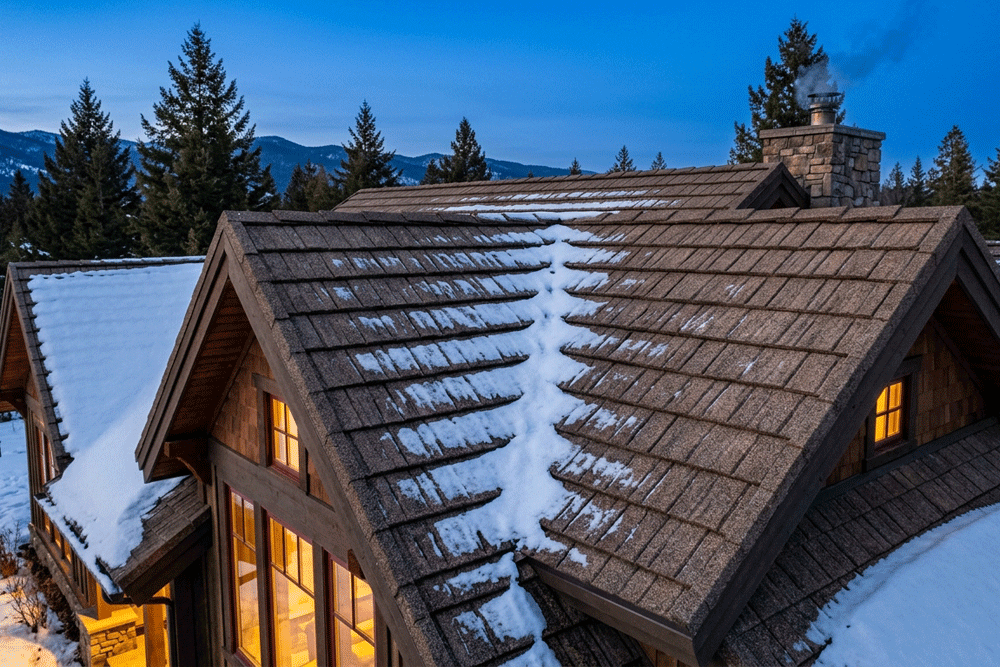
Stone-coated steel fills the gap between traditional roofing styles and modern metal performance.
The material uses a steel core covered with bonded stone granules. Manufacturers can shape the panels to resemble shingles, wood shakes, slate, or tile.
That makes stone-coated steel attractive to homeowners who want metal roofing durability without the smooth appearance of standing seam panels.
Current national installed prices commonly fall around $7 to $13 per square foot, although roof complexity and product choice can raise the total.
Jolly Giant Roofing also installs stone-coated steel roofing systems.
Pros
- Strong steel base
- Traditional shingle, shake, slate, or tile appearance
- Lighter than natural slate or concrete tile
- Good resistance to severe weather
- Long expected service life
- Lower maintenance needs than wood
Cons
- Costs more than standard asphalt shingles
- Repairs may require matching a specific panel profile
- Specialized installation matters
- Textured surfaces may not release snow as quickly as smooth standing seam panels
Wood Shingles and Shakes
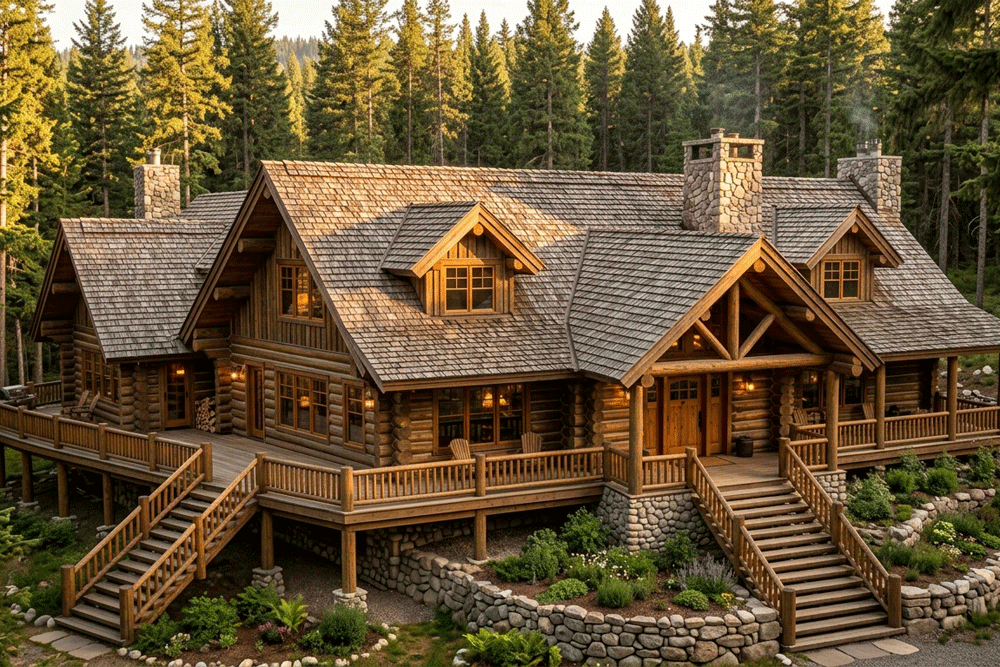
Wood roofing creates a natural appearance that is difficult to reproduce with manufactured materials.
Wood shingles are usually machine-cut for a more uniform profile. Shakes have a thicker and more irregular appearance.
Cedar is one of the best-known materials in this category. Current installed costs vary greatly by product and grade. Wood shingles may start around $5 per square foot, while premium cedar shake installations can rise well beyond $15 per square foot.
Wood needs more care than asphalt or metal. Moisture, insects, moss, fire exposure, and repeated freeze-thaw cycles can affect performance.
Pros
- Natural appearance
- Strong curb appeal
- Works well with rustic and traditional architecture
- Each roof develops its own character
Cons
- Requires more maintenance
- Moisture can lead to rot or biological growth
- Fire restrictions may apply in some areas
- Usually costs more than asphalt
Clay and Concrete Tiles
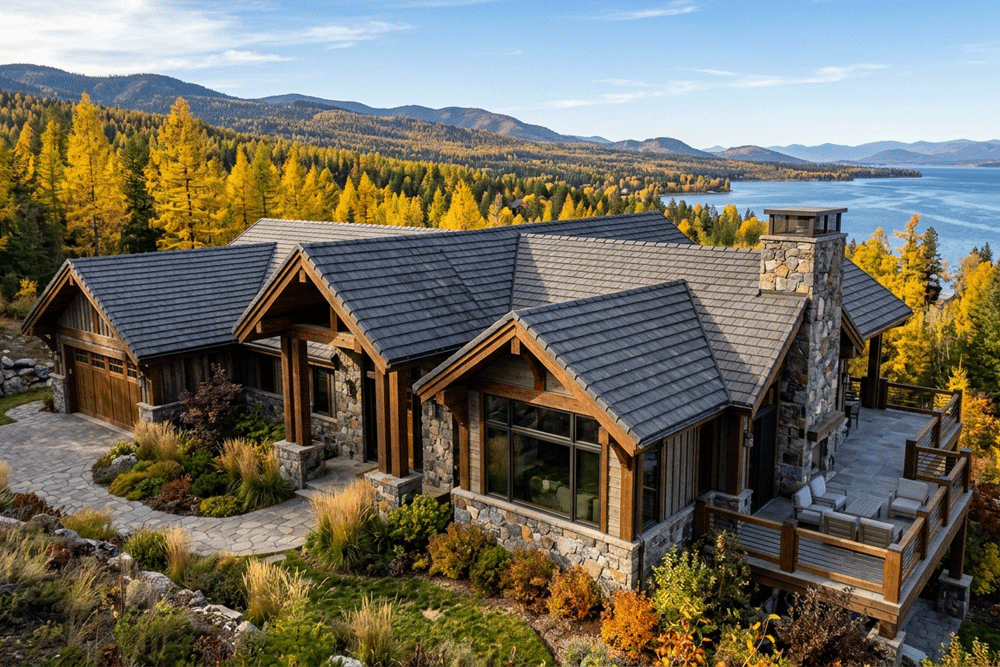
Clay and concrete tile remain worth keeping in a national roofing comparison. They are widely associated with Mediterranean, Spanish, Southwestern, and Mission-style homes, but their use is not limited to those designs.
Clay is fired from natural material. Concrete tiles use cement-based mixtures and can be manufactured in many shapes and colors.
The major tradeoff is weight. Tile roofing can place much more dead load on a structure than asphalt or metal. An existing home may need structural review before switching to tile.
In 2026, concrete tile commonly costs about $7 to $19 per square foot installed, while clay tile can range from roughly $8 to $25 per square foot.
Pros
- Long service life
- Fire-resistant
- Distinctive appearance
- Many profiles and colors
- Individual damaged tiles can sometimes be replaced
Cons
- Heavy
- Higher installation cost
- Brittle tiles may crack under impact or foot traffic
- Some clay products perform better in warm climates than repeated freeze-thaw conditions
Slate Roofing
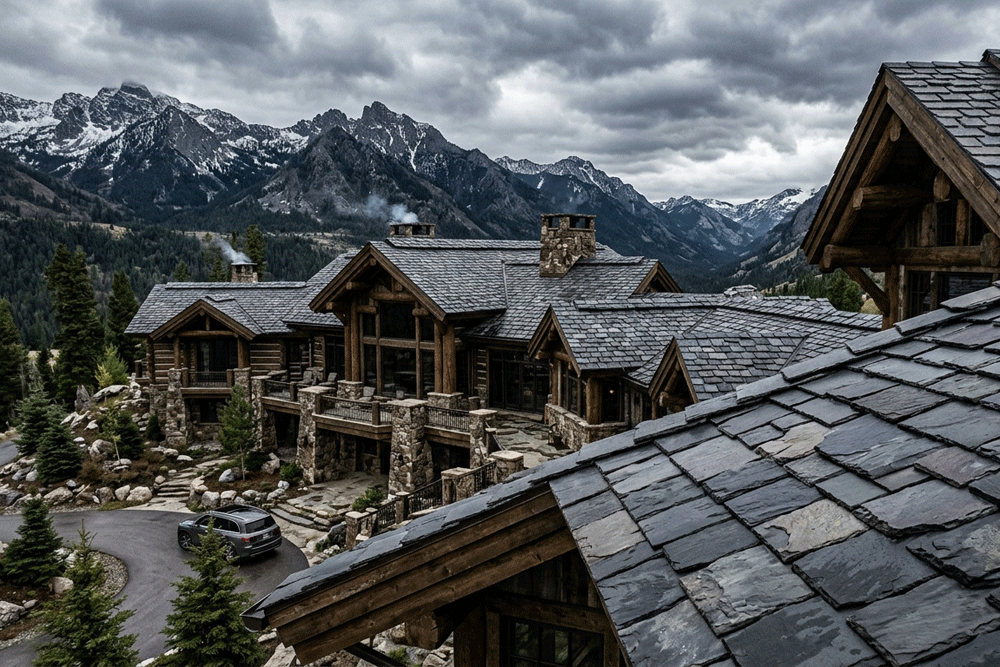
Few residential roofing materials match natural slate for longevity.
Slate is quarried stone cut into roofing tiles. It resists fire and moisture and can remain serviceable for generations when installed on a structure built to carry its weight.
The tradeoff is cost. Natural slate commonly runs $10 to $30 per square foot installed, and complex roofs can cost more.
Structural capacity also matters. Slate is much heavier than asphalt shingles, so older homes may need reinforcement.
Pros
- Exceptional longevity
- Natural appearance
- Fire-resistant
- Low material maintenance
- Strong resistance to moisture and decay
Cons
- High initial cost
- Heavy material
- Requires experienced installers
- Individual tiles can break if walked on incorrectly
Flat Roofing Materials for Low-Slope Roofs
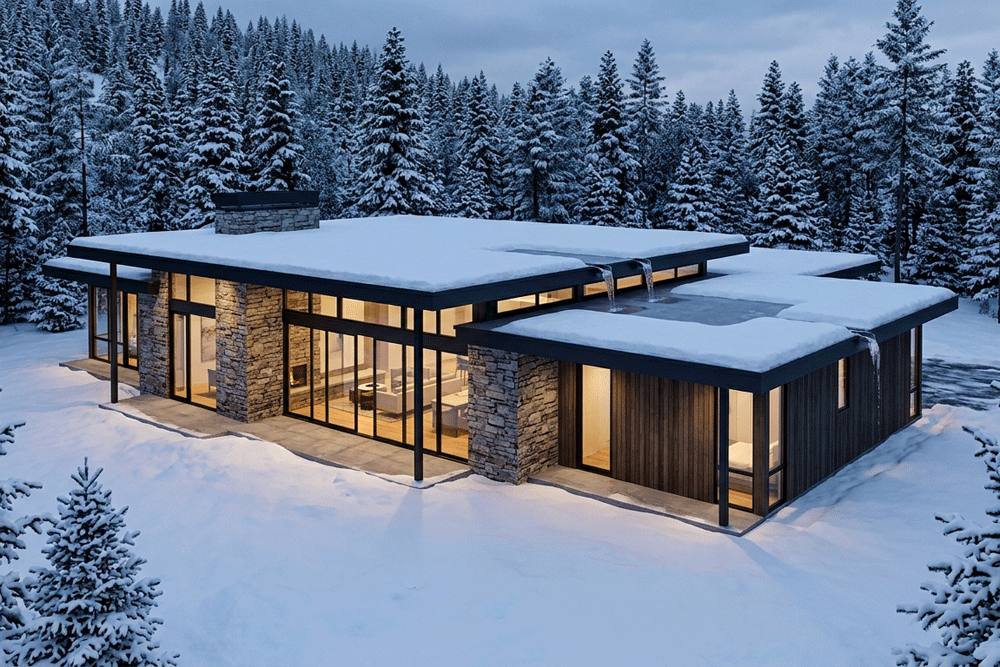
Some residential properties include flat or low-slope sections that cannot use standard shingles effectively.
Common membrane choices include EPDM, TPO, and PVC. These systems create a continuous water-resistant surface and are also widely used for commercial roofing projects.
For 2026, common membrane systems generally fall between about $4 and $12 per square foot installed, although some EPDM projects and complex roof assemblies can cost more.
Pros
- Designed for low-slope roofs
- Strong water resistance
- Several material choices
- Useful for modern residential designs and additions
Cons
- Standing snow does not shed like it does from steep metal roofing
- Drainage details matter greatly
- Seams and penetrations need periodic inspection
- Appearance may not suit every home
Which Roofing Material Is Best for Your Home?
There is no single roofing material that wins every comparison.
Think about the full roofing system before making a decision. Roof pitch, climate, ventilation, structural capacity, maintenance, and installation quality can matter as much as the material itself.
The rest of the exterior deserves attention as well. Aging roofing often appears alongside worn trim or siding. Jolly Giant Roofing offers siding replacement services for properties that need broader exterior work.
Get a Professional Roof Inspection
A roof can look worn from the ground without needing full replacement. The opposite can also happen — hidden moisture, damaged decking, failing flashing, or storm damage may not be obvious from the driveway. Jolly Giant Roofing can inspect the existing system, explain the available material choices, and prepare an estimate based on the property itself.
Request an Inspection